Feb, 28 2026
North America
exploring the wonders of yosemite national park
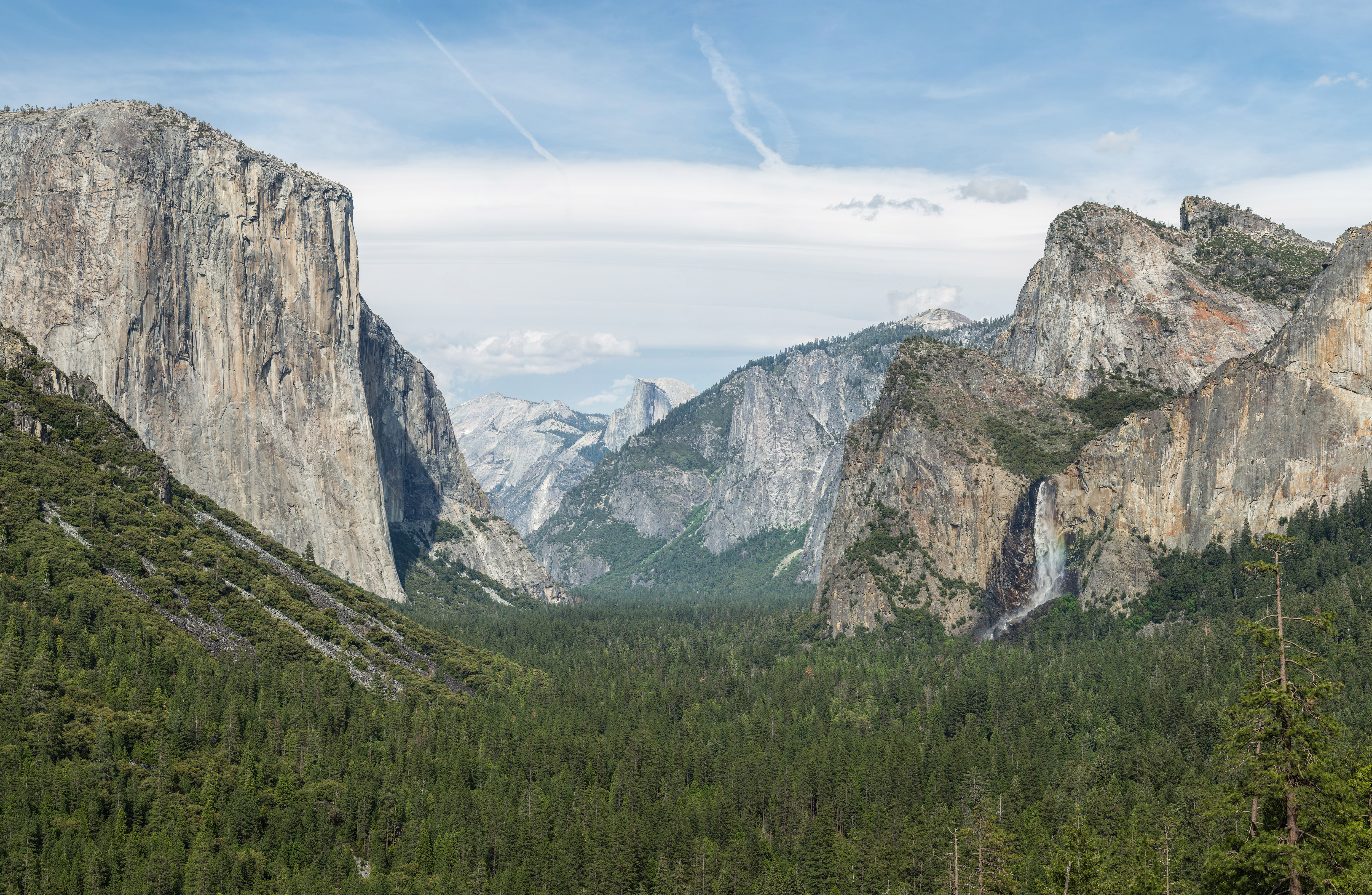
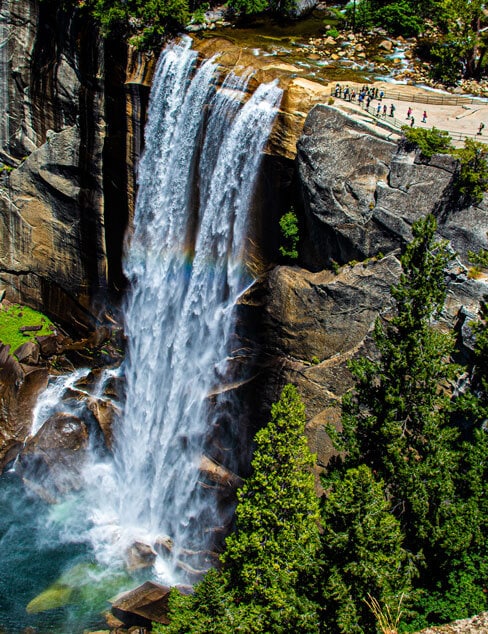
Yosemite National Park, located in California, is a natural wonderland that covers 759,620 acres and is managed by the National Park Service. This UNESCO World Heritage Site is renowned for its stunning granite cliffs, majestic waterfalls, crystal-clear streams, giant sequoia groves, picturesque lakes, and diverse wildlife. With almost 95% of the park designated as wilderness, Yosemite stands as one of the largest and most intact habitat blocks in the Sierra Nevada.
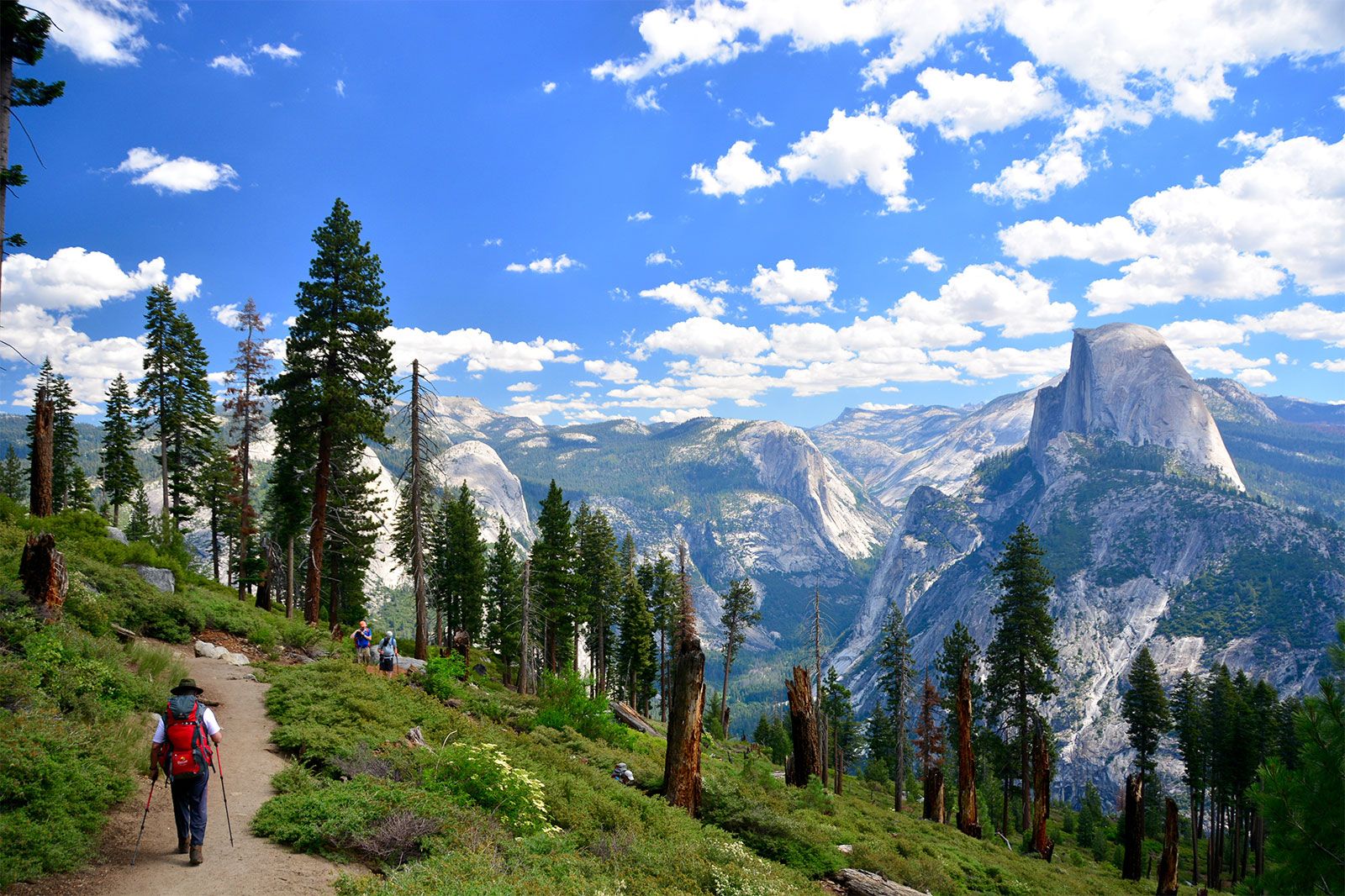
The unique geology of Yosemite, dominated by granite formations and remnants of ancient rock, tells a story that dates back millions of years. The park's landscape was shaped by the uplifting of the Sierra Nevada range around 10 million years ago, creating the iconic steep cliffs, canyons, and valleys that define Yosemite's topography. Glaciers that formed approximately a million years ago further sculpted the terrain, including the famous U-shaped Yosemite Valley.
Human history in Yosemite stretches back thousands of years, with Native American tribes inhabiting the region for millennia. European Americans arrived in the mid-19th century, leading to the establishment of Yosemite National Park as a federally protected area. Visionaries like Galen Clark and John Muir played pivotal roles in advocating for the preservation of Yosemite, laying the foundation for the National Park System as we know it today.
The word 'Yosemite' itself has roots in the Miwok language, meaning 'they are killers,' a term historically attributed to the Ahwahneechee tribe that resided in the area. The park's history is also intertwined with the tragic Mariposa Wars, a series of conflicts between European American settlers and Native American tribes that ultimately shaped the landscape and demographics of the region.
Despite the tumultuous history, Indigenous peoples have persevered in Yosemite, adapting to changing circumstances while retaining their cultural heritage. The Ahwahneechee tribe, the original inhabitants of the park, faced displacement and challenges but continue to honor their legacy through storytelling, art, and advocacy for tribal recognition and sovereignty.
Early tourism in Yosemite began in the mid-19th century, with entrepreneurs like James Hutchings and artists like Thomas Ayres drawing attention to the park's natural beauty. The indigenous presence in Yosemite, including Natives working as guides, performers, and artisans, added a unique cultural dimension to the visitor experience. The growth of tourism led to the development of accommodations and infrastructure, shaping the park's accessibility and appeal to a wider audience.
From the iconic Tunnel Tree in Mariposa Grove to the historic Wawona Hotel, Yosemite's early landmarks and attractions captivated travelers and sparked a fascination with the natural wonders of the park. Today, Yosemite continues to draw millions of visitors annually, offering a blend of outdoor adventures, educational opportunities, and a chance to immerse oneself in the awe-inspiring beauty of the Sierra Nevada mountains.
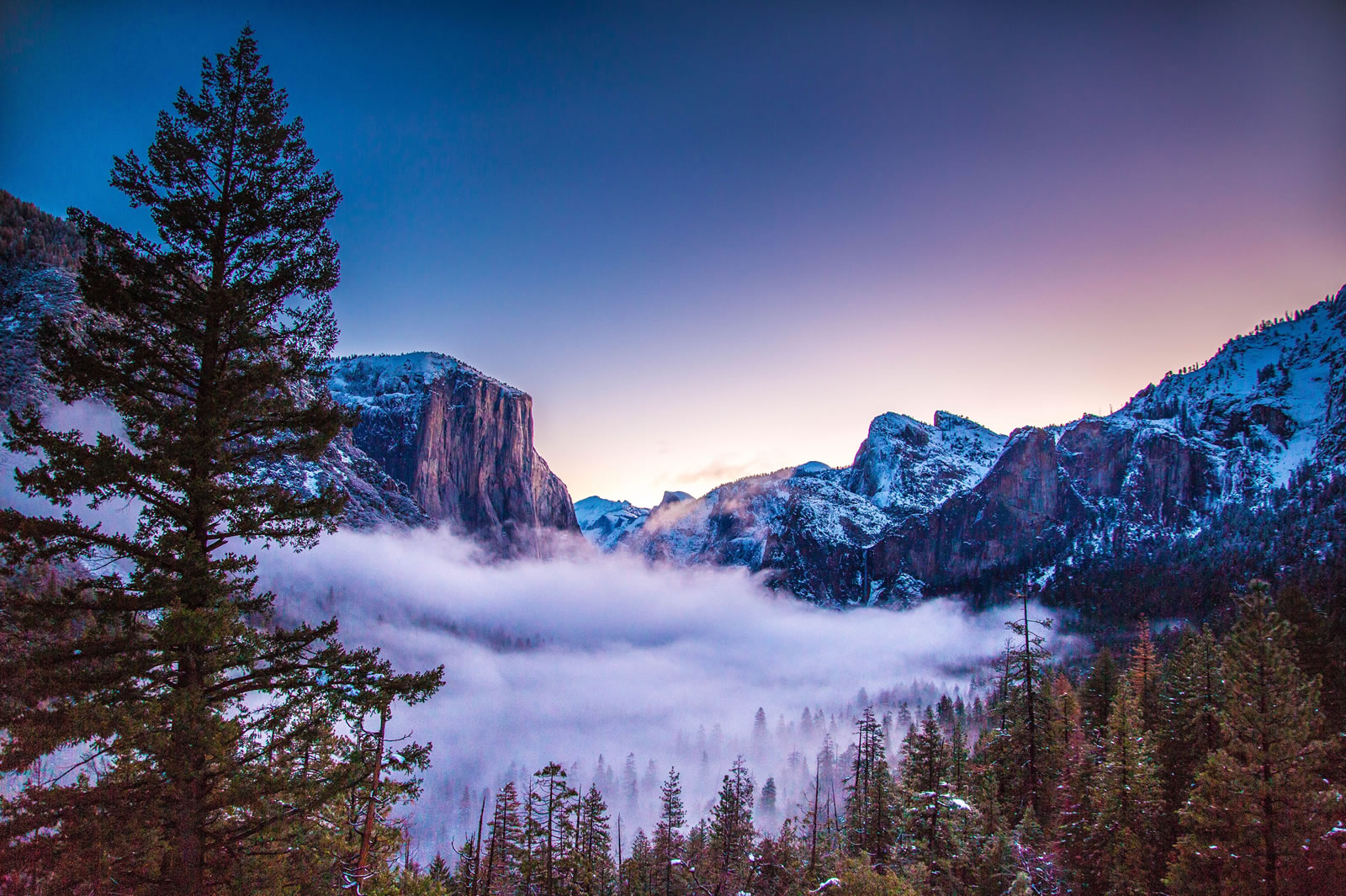
Yosemite National Park stands as a testament to the enduring power of nature, the resilience of Indigenous cultures, and the ongoing legacy of conservation efforts. Whether you seek adventure in the great outdoors, a glimpse into the past through Native American heritage, or simply a moment of tranquility amidst towering cliffs and cascading waterfalls, Yosemite promises an unforgettable journey into the heart of California's wilderness.