Feb, 20 2026
Asia
Petra: The Rose City of Jordan
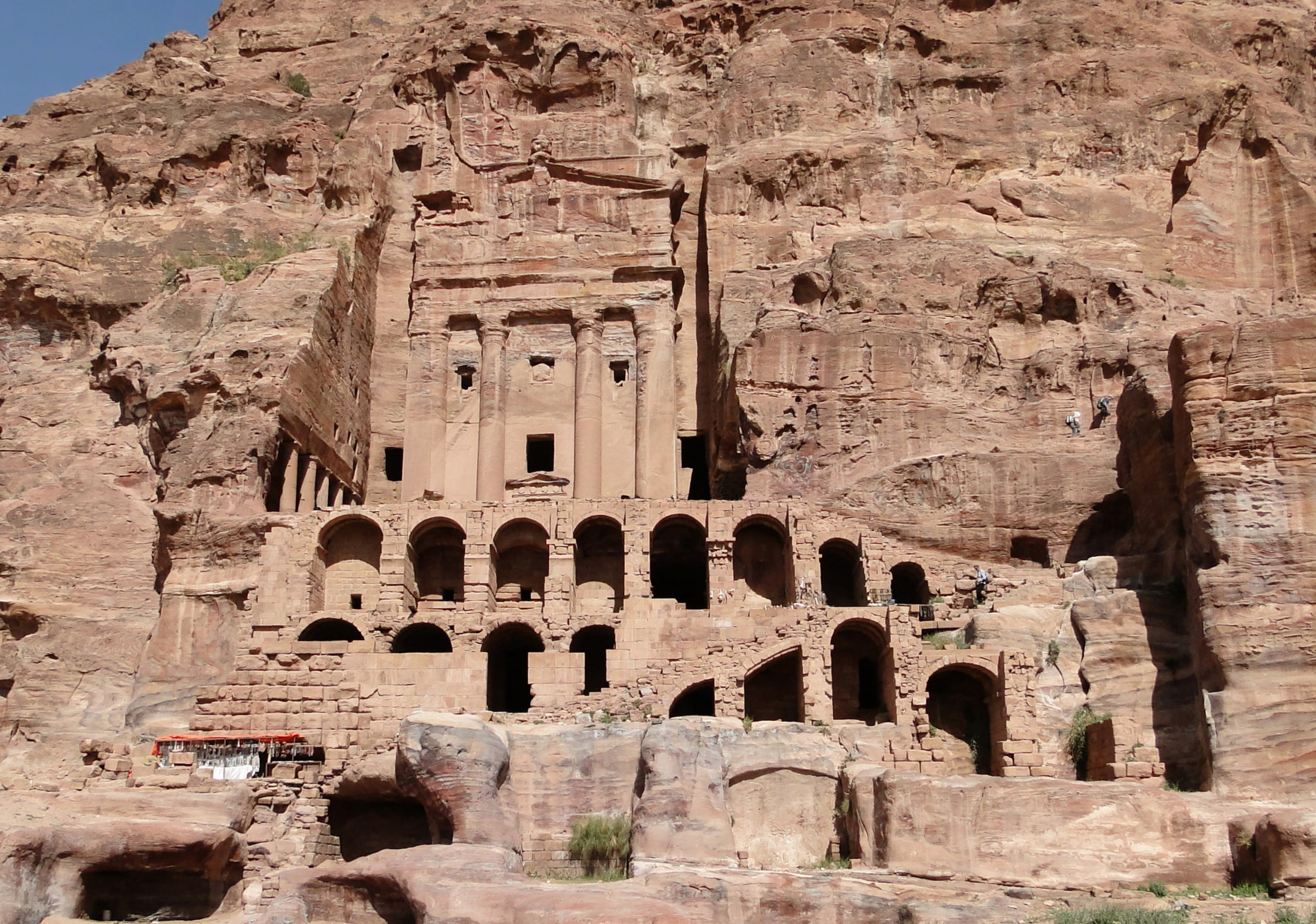
Petra, also known as the 'Rose City', is an ancient archaeological site in southern Jordan, celebrated for its remarkable rock-cut architecture and water conduit systems. This UNESCO World Heritage Site captivates visitors with its stunning sandstone structures that glow in shades of pink, giving rise to its nickname. The city's history dates back to as early as 7000 BC when it was inhabited, but it was the Nabataeans who transformed Petra into a flourishing capital city in the 4th century BC.

The Nabataeans, skilled in agriculture, stone carving, and water management, utilized Petra's strategic location along trade routes to establish it as a key trading hub. The city reached its pinnacle in the 1st century AD with iconic structures like Al-Khazneh, possibly a mausoleum, and a population of around 20,000 inhabitants. However, Petra's importance waned after falling to the Romans in 106 AD and suffering damage from an earthquake in 363, leading to its eventual abandonment.
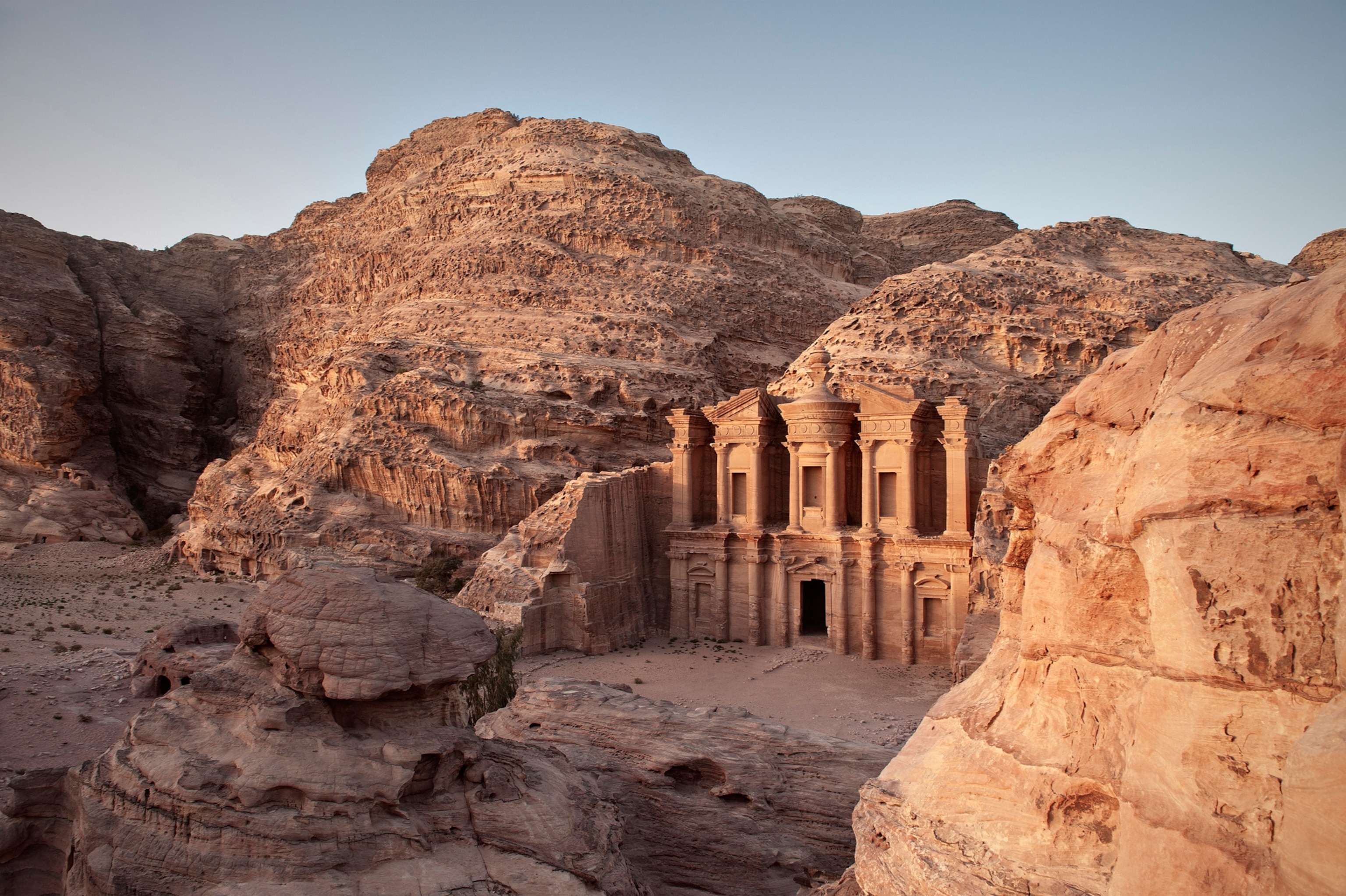
Petra remained hidden from the western world until 1812 when Swiss traveller Johann Ludwig Burckhardt rediscovered it. Today, Petra stands as a testament to human ingenuity and creativity, drawing nearly a million tourists annually. Its iconic monuments, such as the Treasury and Monastery, continue to awe visitors with their intricate designs and historical significance.
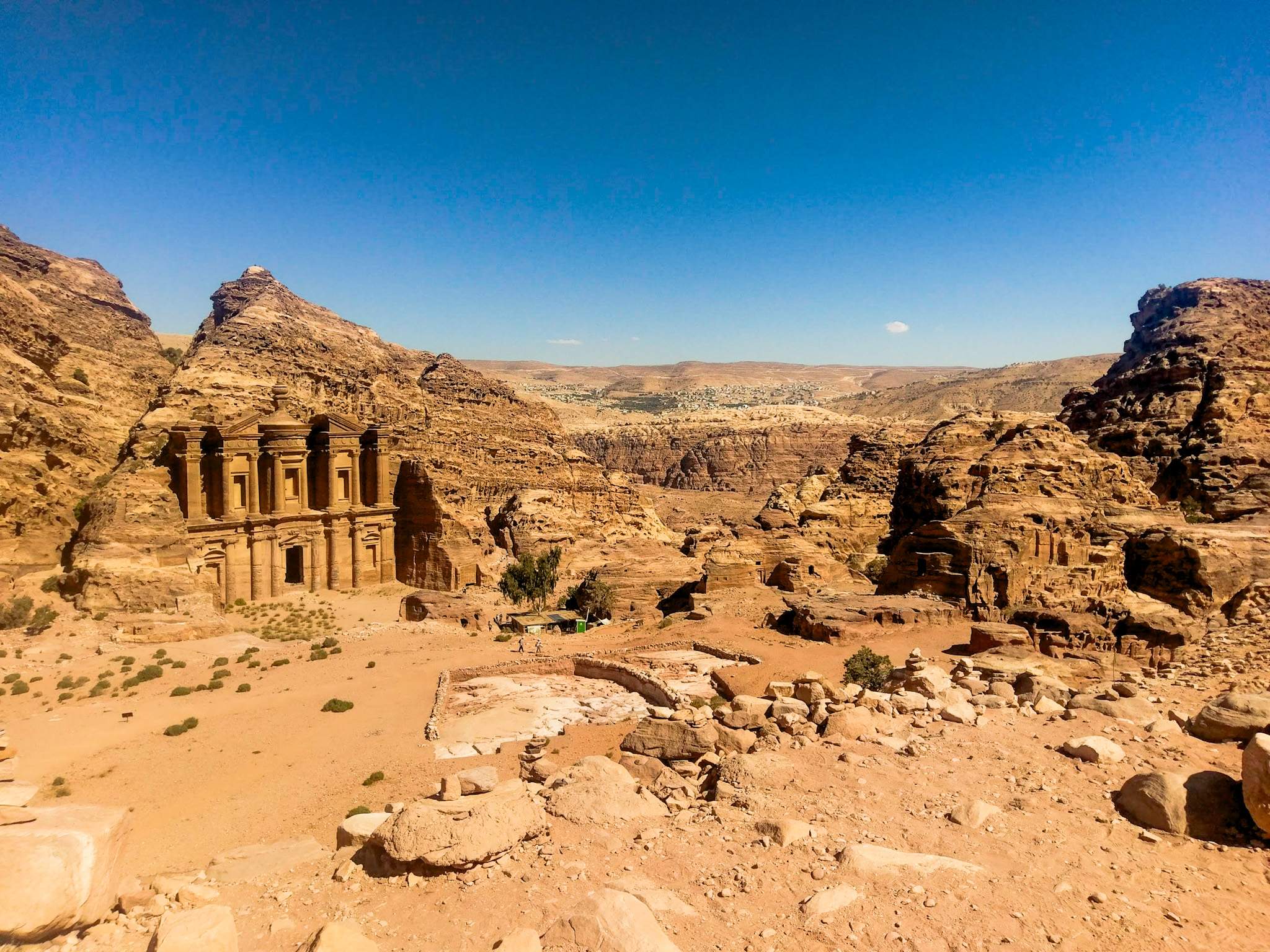
The history of Petra unfolds through various periods, from the Neolithic settlements to the Iron Age Edomites and the emergence of the Nabataeans. The city's rich past is marked by trade, cultural exchanges, and architectural achievements that showcase the diverse influences that shaped Petra over the centuries. Visitors can explore remnants of ancient civilizations and imagine life in this once-thriving metropolis.
During the Roman period, Petra became the capital of Arabia Petraea and experienced a cultural fusion of Roman and Nabataean influences. The city's decline under Roman rule was hastened by changes in trade routes, culminating in an earthquake that devastated Petra's infrastructure. Byzantine Petra saw the construction of churches and continued activity until the 6th century, revealing a resilient community that adapted to changing circumstances.
Despite Petra's eventual decline, its legacy endured through the Crusader and Mamluk periods, with fortresses built in the area. The city's rediscovery in the 19th century by Johann Ludwig Burckhardt reignited interest in its ancient wonders, sparking a wave of exploration and conservation efforts. Today, Petra stands as a symbol of Jordan's heritage and a marvel of ancient architecture, inviting visitors to uncover the secrets of this 'Lost City'.