Jan, 01 2026
Africa
Mount Kilimanjaro: The Roof of Africa
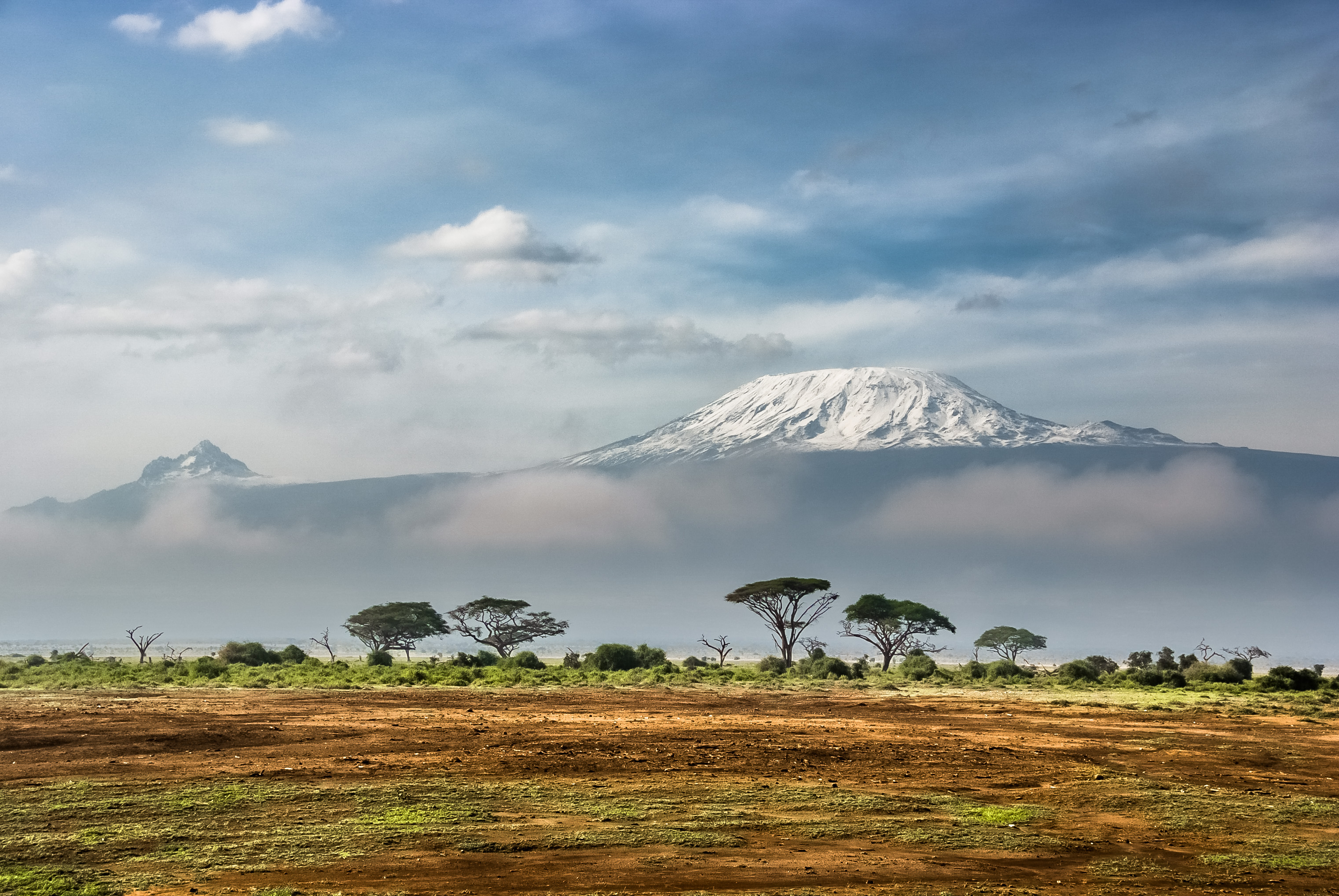
Nestled in Tanzania, Mount Kilimanjaro stands majestically as the highest mountain in Africa, reaching 5,895 meters above sea level. This dormant volcano is a sight to behold, attracting adventurers and nature enthusiasts from all corners of the globe.
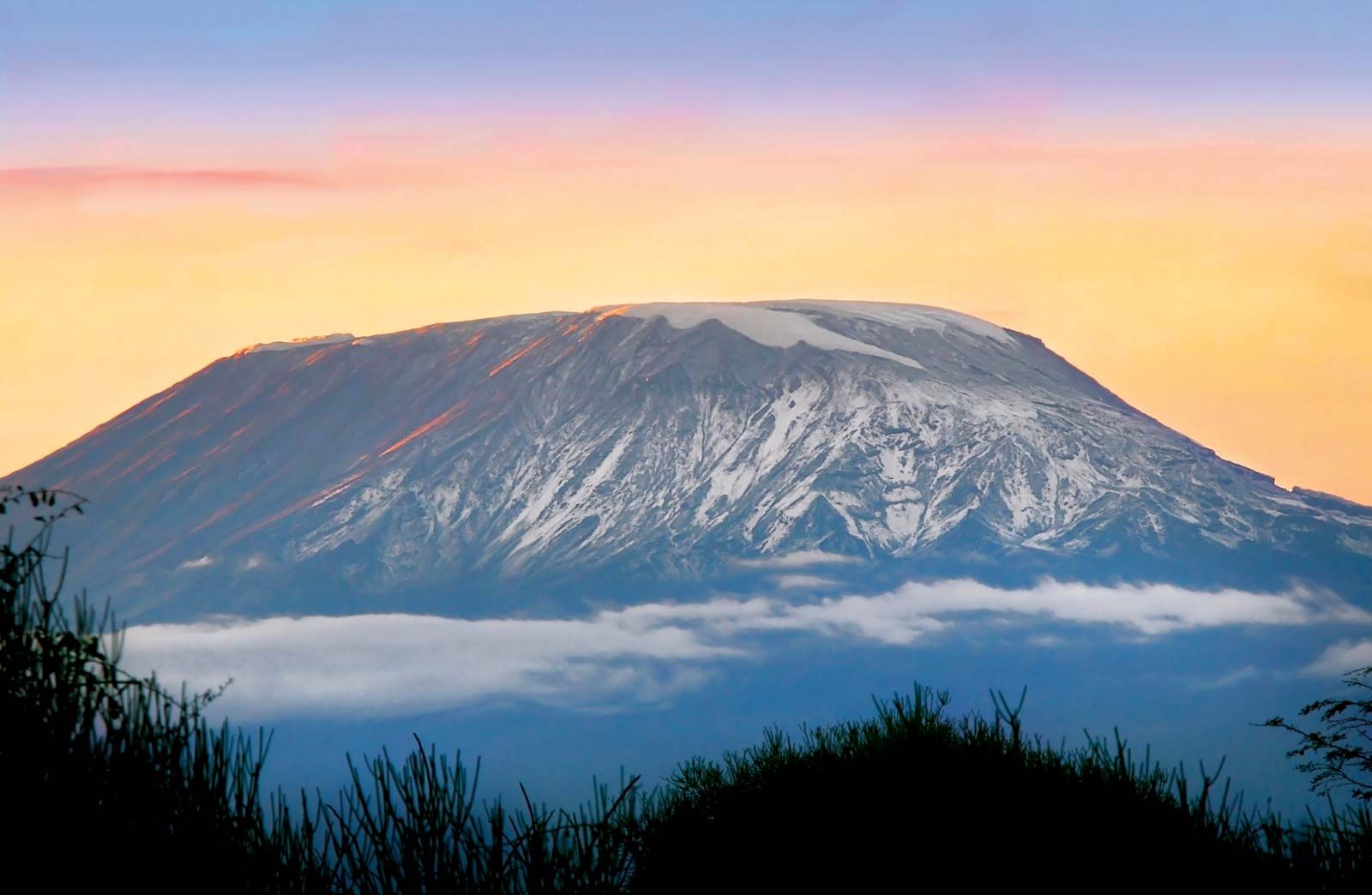
Kilimanjaro's history is rich, with its southern and eastern slopes once home to the Chagga Kingdoms before being incorporated into Kilimanjaro National Park in 1973. The name 'Kilimanjaro' itself is shrouded in mystery, possibly meaning 'mountain of greatness' or 'unclimbable'. Hans Meyer's conquest of its highest summit in 1889 marked a significant milestone in its exploration.
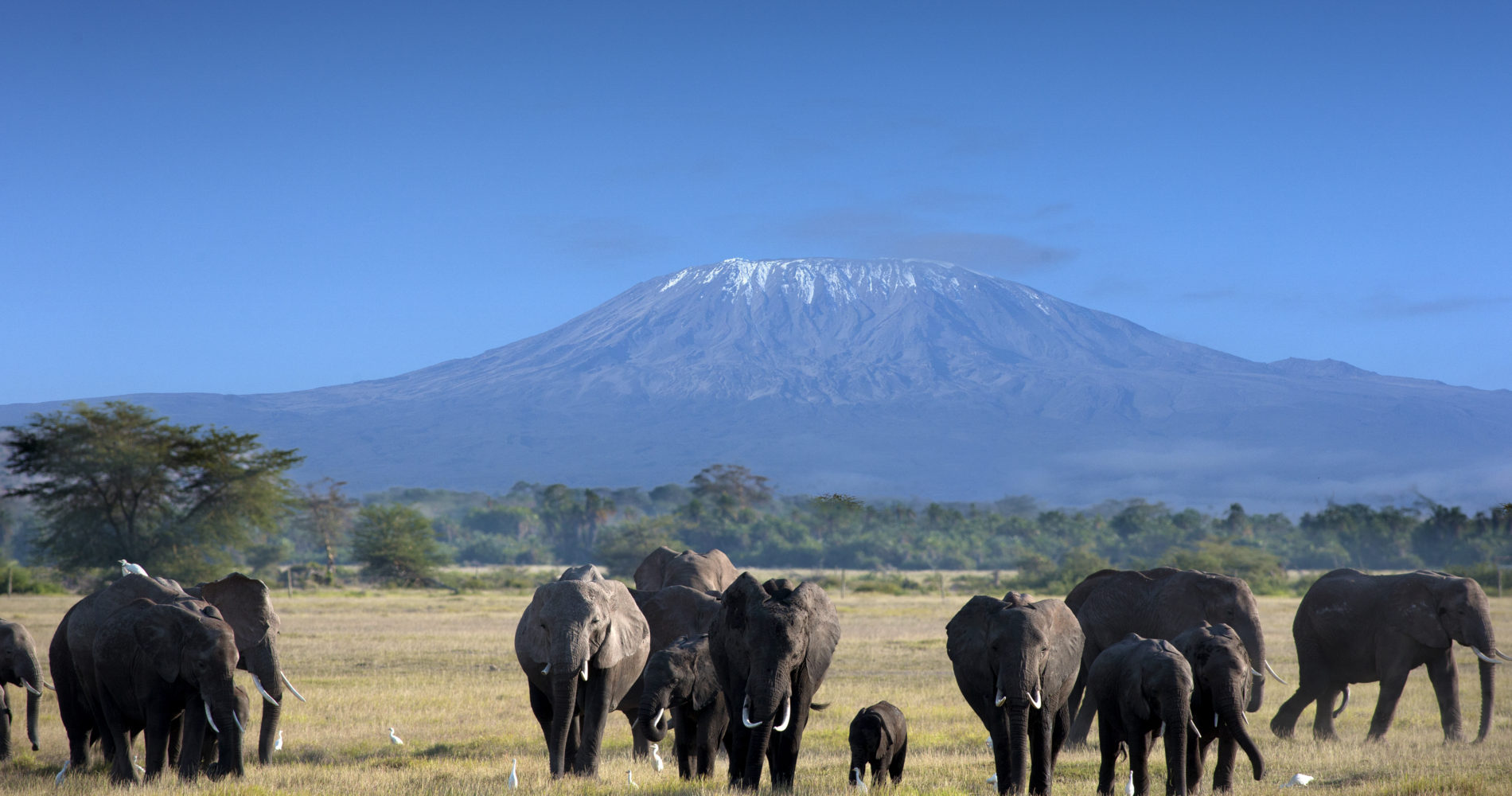
As part of the Seven Summits, Kilimanjaro offers various established routes to Uhuru Peak, the pinnacle of the mountain. While not as technically demanding as some peaks, the altitude poses a challenge, making climbers wary of altitude sickness. The allure of reaching the summit and witnessing the breathtaking views drives many to undertake this remarkable adventure.
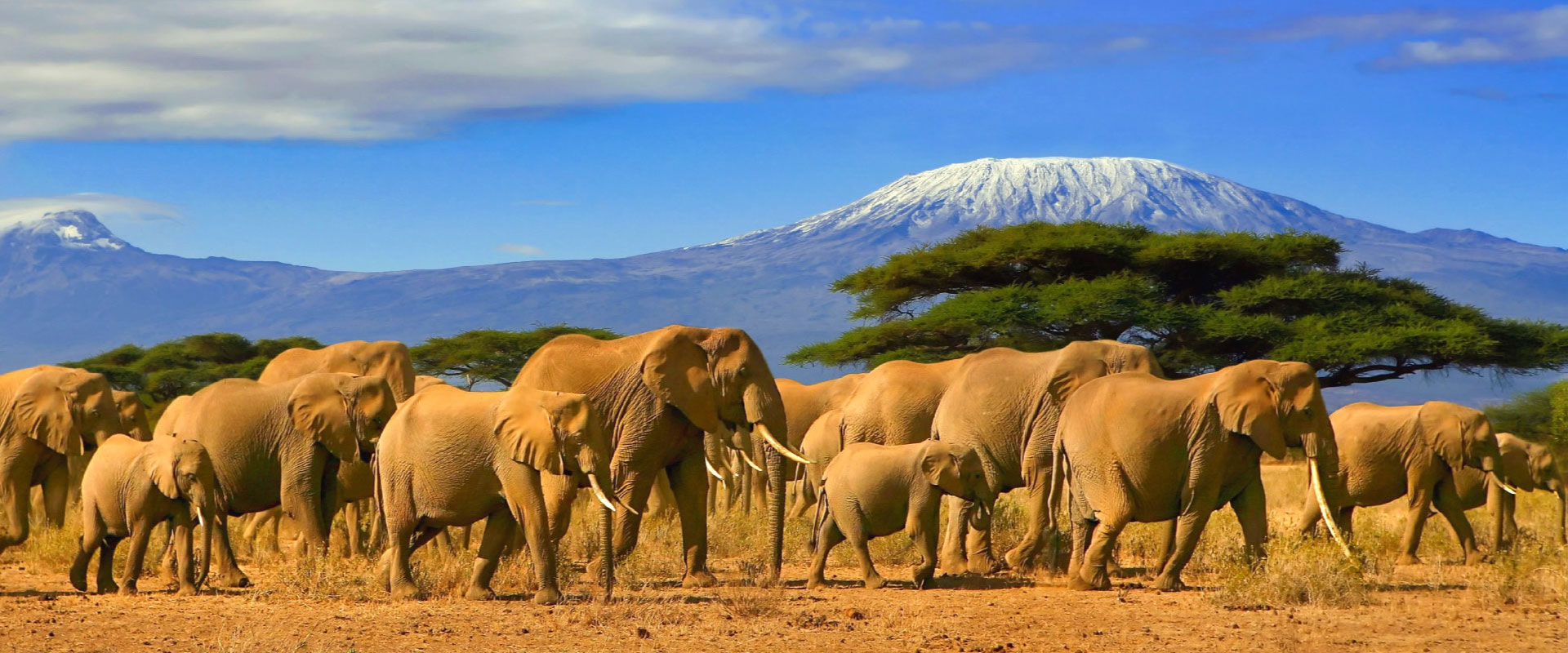
Geologically, Kilimanjaro is a stratovolcano formed over 2 million years ago. Its slopes are adorned with montane and cloud forests, harboring unique species like the giant groundsel. The mountain's ice cap, including notable glaciers like Credner and Furtwängler, is rapidly melting, a poignant reminder of climate change's impact on our planet.
The toponymy of Kilimanjaro is a subject of debate, with various interpretations suggesting meanings like 'mountain of greatness' or 'mountain of whiteness'. These linguistic nuances add to the mountain's mystique, reflecting the diverse cultural influences that have shaped its identity over the centuries.
From a geological perspective, Kilimanjaro comprises three volcanic cones, with Kibo being the highest peak. Mawenzi and Shira, the other cones, add to the mountain's allure, showcasing the forces of nature that sculpted this iconic landmark.
The presence of glaciers on Kilimanjaro's summit adds a touch of Arctic beauty to the African landscape. These ice fields have witnessed multiple glacial episodes over millennia, with the current ice cap being a remnant of past geological eras. The changing climate poses a threat to these glaciers, underscoring the urgent need for environmental conservation.
For those seeking an unforgettable adventure in the heart of Africa, Mount Kilimanjaro beckons with its towering peaks, lush forests, and icy glaciers. Whether you're a seasoned climber or a nature lover looking to witness a natural wonder, Kilimanjaro offers an experience like no other, blending history, geology, and environmental significance in one remarkable destination.