Feb, 14 2026
Asia
Exploring Angkor Wat in Cambodia
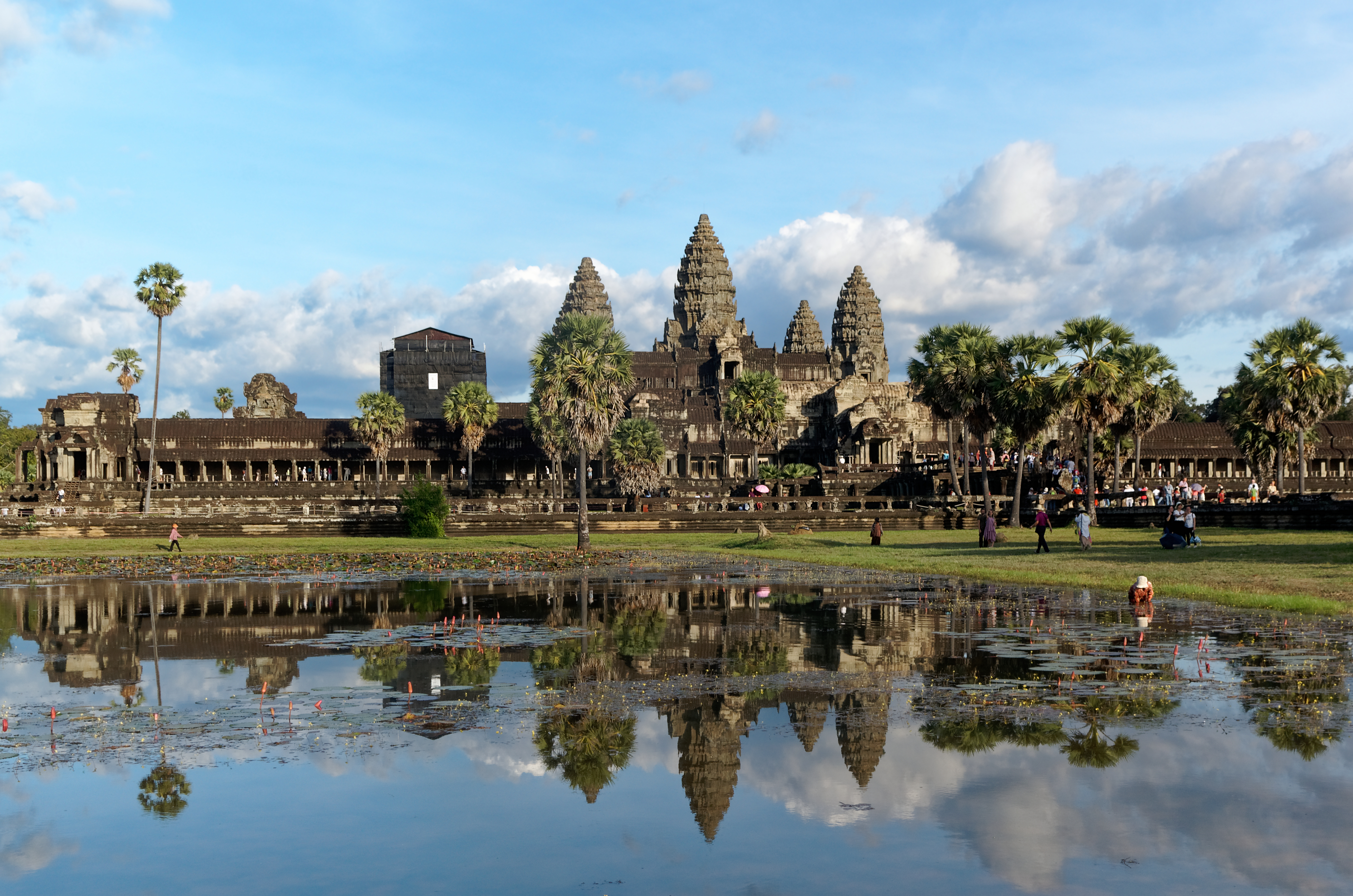
Nestled within the ancient Khmer capital city of Angkor in Cambodia, Angkor Wat stands as a monumental Hindu-Buddhist temple complex that leaves visitors awestruck. Originally built in 1150 CE as a Hindu temple dedicated to the deity Vishnu, it later evolved into a Buddhist temple, showcasing the transition of religious beliefs over the centuries.
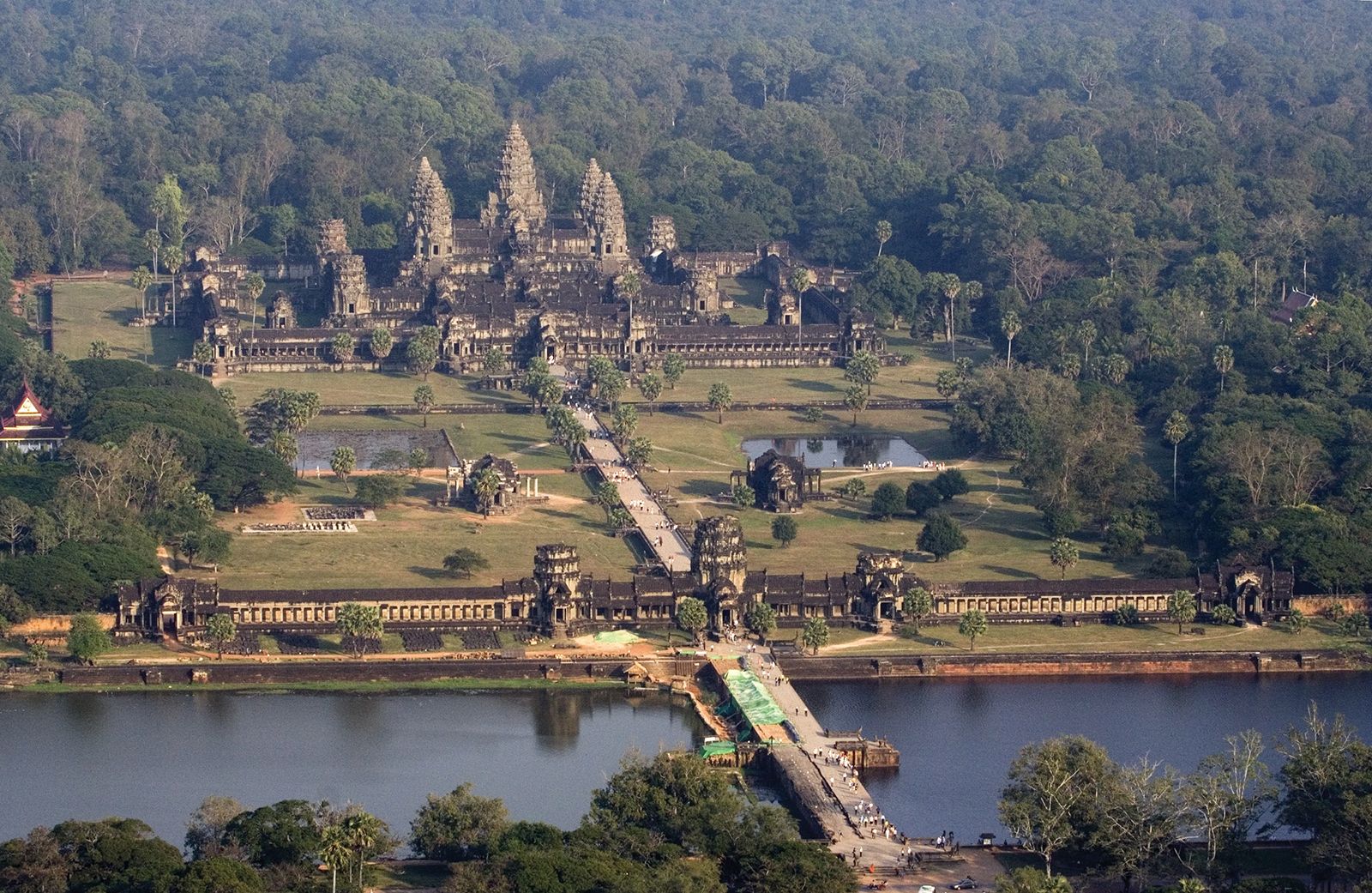
Covering an impressive 162.6 hectares, Angkor Wat is a testament to Khmer architecture, combining the temple-mountain and galleried temple designs. The structure symbolizes Mount Meru, surrounded by a vast moat and three elevated galleries adorned with intricate bas-reliefs. At its heart, a quincunx of towers rises majestically, showcasing the grandeur of ancient craftsmanship.

Stepping into Angkor Wat is akin to stepping back in time to the early 12th century when it was commissioned by King Suryavarman II. Despite falling into disuse, the temple was meticulously restored in the 20th century, drawing admiration for its architectural harmony and detailed embellishments. Today, as a UNESCO World Heritage Site, Angkor Wat welcomes over 2.5 million visitors annually.

The etymology of Angkor Wat reveals its significance; 'Angkor' translates to 'city' or 'capital city,' while 'Wat' signifies 'temple grounds' in Khmer. Originally named Vrah Viṣṇuloka, meaning 'the sacred dwelling of Vishnu,' the temple's evolution into a Buddhist site reflects the cultural and religious shifts that have shaped Cambodia's history.
The European rediscovery of Angkor Wat in the 19th century by explorers like Henri Mouhot sparked global interest in this architectural marvel. Mouhot's descriptions of the temple's grandeur and historical significance captivated audiences, leading to Cambodia's protectorate status under France and subsequent restoration efforts to preserve Angkor's legacy.
Restoration work on Angkor Wat faced challenges during the Cambodian Civil War, with periods of neglect and damage inflicted by various conflicts. Efforts by international teams, including the Archaeological Survey of India, have contributed to the site's preservation. Despite criticisms, the restoration initiatives have safeguarded Angkor Wat for future generations.
In the 21st century, ongoing conservation projects by diverse countries continue to protect Angkor Wat's intricate reliefs and structures. The German Apsara Conservation Project, among others, focuses on preserving the temple's artistic heritage from natural erosion and previous restoration impacts. These collaborative efforts ensure that Angkor Wat remains a beacon of Cambodia's rich history and cultural heritage.