Mar, 15 2026
Oceania
Exploring the Mysteries of Easter Island
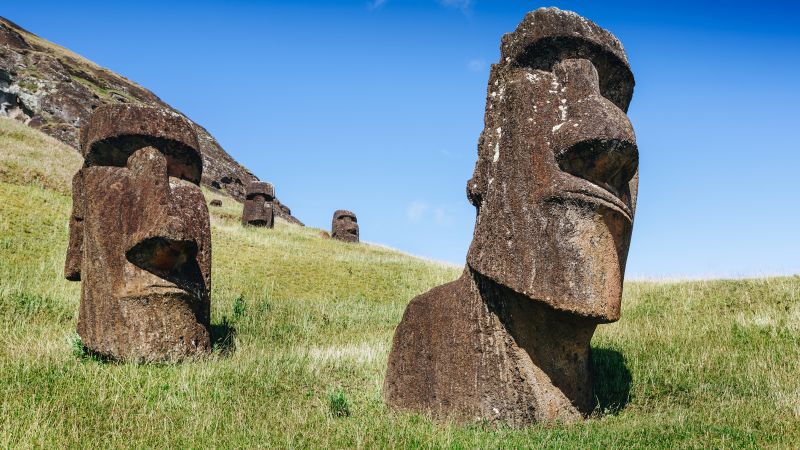
Welcome to Easter Island, a mesmerizing destination in the southeastern Pacific Ocean that captures the imagination of travelers with its intriguing history and iconic stone statues. The island, officially known as Rapa Nui, is famous for its nearly 1,000 monumental statues called moai, created by the ancient Rapa Nui people. Designated as a UNESCO World Heritage Site in 1995, Easter Island is a place where history and mystery converge.
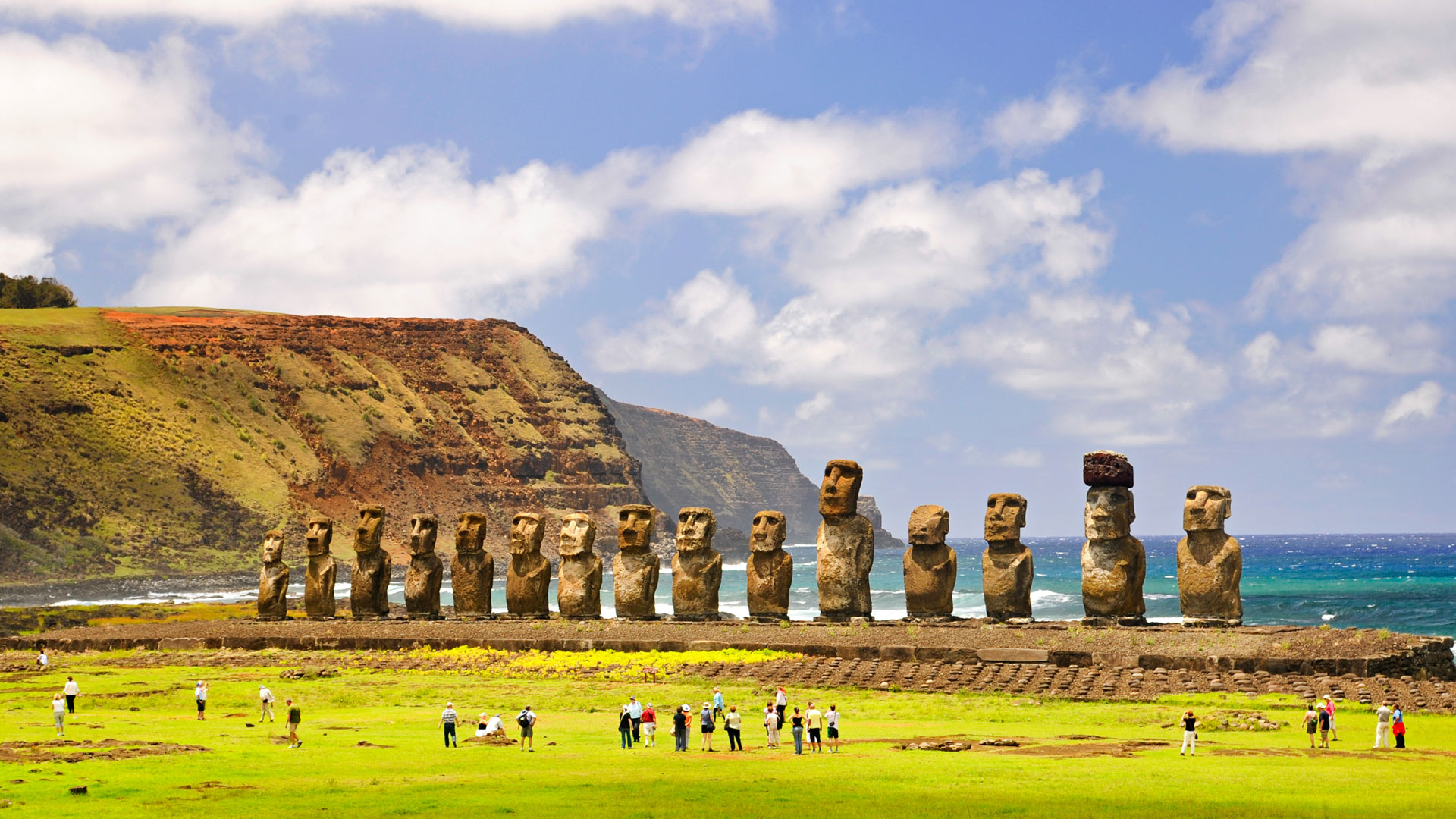
The island's Polynesian inhabitants arrived on its shores centuries ago, with differing opinions among experts about the exact timing of their settlement. Evidence suggests that these early settlers established a thriving culture, as evidenced by the impressive stone moai and artifacts found across the island. However, factors like land clearing and the introduction of the Polynesian rat led to environmental challenges, impacting the island's ecosystem over time.
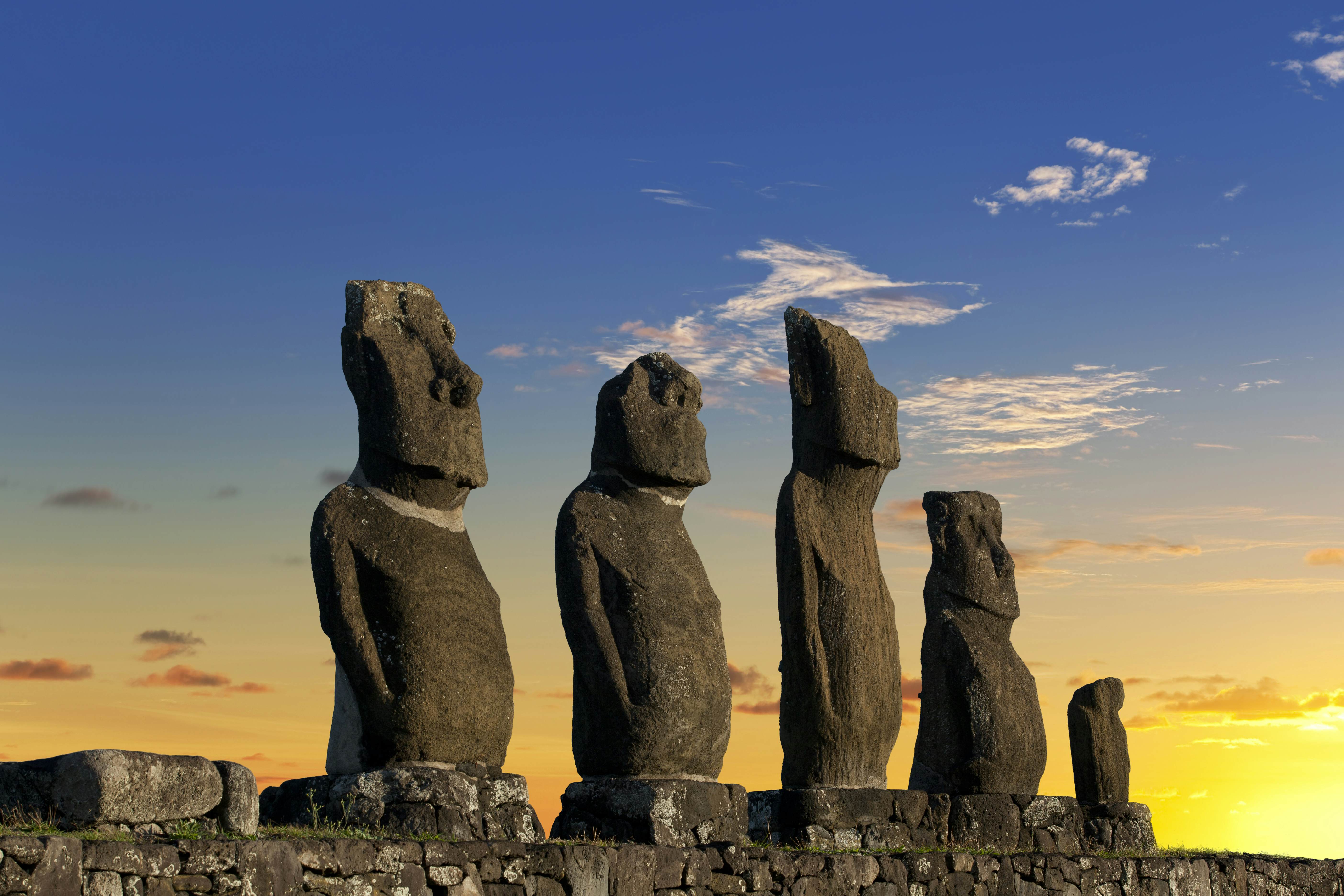
Easter Island's history is marked by significant events, including its annexation by Chile in 1888 and the granting of Chilean citizenship to the Rapa Nui people in 1966. Today, the island holds a special territorial status within Chile and is home to a population of around 7,750, with a significant percentage identifying as Rapa Nui. This unique blend of cultural influences and heritage adds depth to the island's allure.
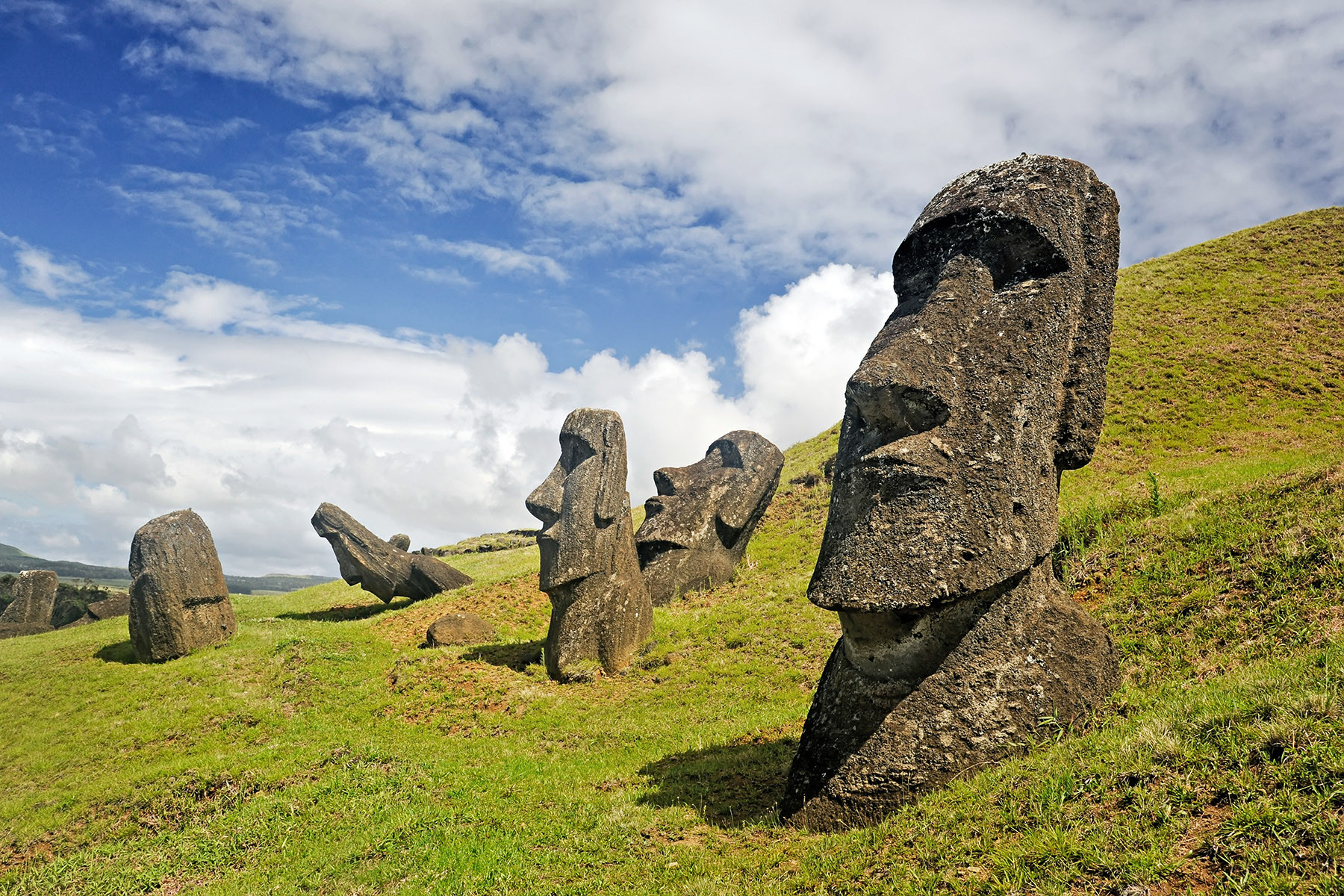
Known as one of the most remote inhabited islands globally, Easter Island offers a sense of isolation and wonder to visitors. Surrounded by the vast expanse of the Pacific Ocean, the island's nearest populated neighbor is Pitcairn Island, over 2,000 kilometers away. This sense of seclusion adds to the island's mystique, making it a bucket-list destination for adventurous travelers seeking a truly unique experience.
The island's name, Easter Island, has historical significance, attributed to the Dutch explorer Jacob Roggeveen who arrived on Easter Sunday in 1722. The Polynesian name, Rapa Nui, reflects the island's connection to the Rapa Iti in the Austral Islands group. Rich in oral traditions and cultural nuances, Easter Island holds many untold stories waiting to be discovered by those who venture to its shores.
Delving into the island's past reveals a complex history of settlement, social structures, and artistic achievements. The legacy of the moai statues, believed to honor ancestors and chiefs, showcases the creativity and craftsmanship of the Rapa Nui people. The island's landscapes, from volcanic craters to pristine beaches, invite exploration and reflection, offering a blend of natural beauty and cultural heritage.
As you wander through Rapa Nui National Park, home to the iconic moai statues, you'll be immersed in a world where ancient traditions meet modern conservation efforts. The preservation of Easter Island's archaeological sites and cultural heritage is a testament to the island's enduring legacy and its significance on the world stage. Whether you're drawn to the enigmatic statues or the captivating landscapes, Easter Island promises a journey unlike any other.